There are many misconceptions about yarn work, whether it’s knitting or crochet. But often, all it takes is to give it a try to spark a new addiction.
Crocheting with Mohair
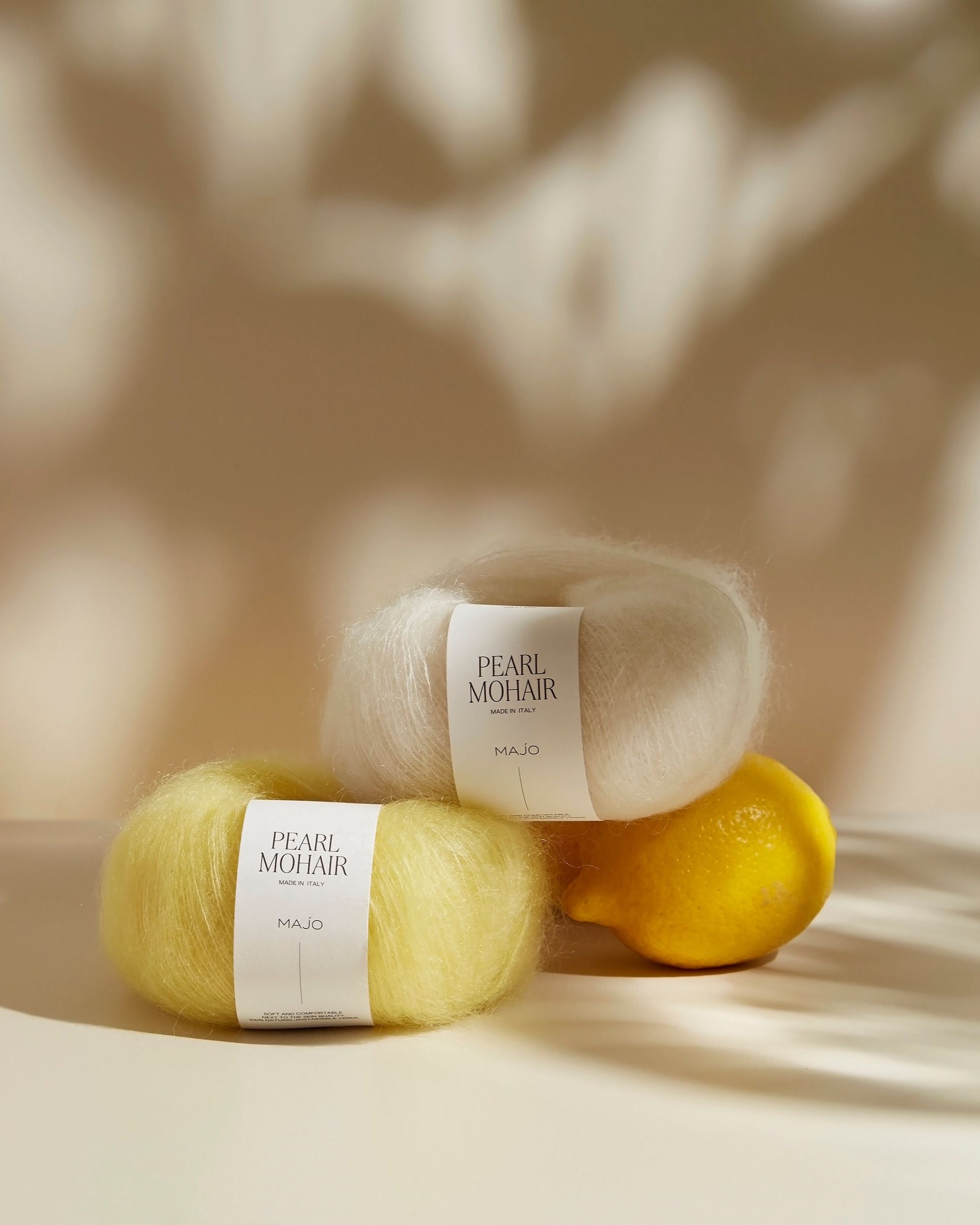
One of the biggest misconceptions about crochet and mohair is that this yarn is incompatible with the technique. Mohair is much fluffier, which can make stitches appear blurry. In knitting, since the stitch sits on a needle, the yarn is more visible and easier to identify.
In crochet, however, each stitch is worked individually and must be identifiable, which can make working with mohair seem intimidating. The fibers can hide the stitch, form knots that are hard to undo, and prevent the hook from gliding smoothly.
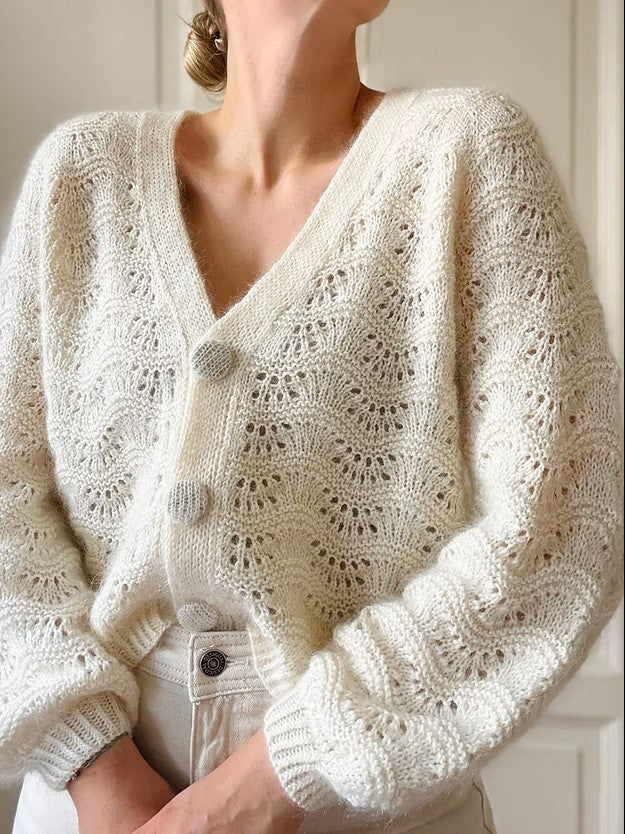
This fear, however, is easy to overcome. This summer, the “Roseraie Sweater” was featured in Laine Magazine "Let's Crochet!": two strands of mohair with a single crochet hook. We tried it ourselves, and it went perfectly! It was a pleasure to work (a bit trickier to undo if a mistake was made, but completely manageable). The yarn glided well, the stitches were clearly visible, and the resulting fabric was soft, airy, and absolutely beautiful to wear.
2. Fair Isle / Colorwork (Jacquard)
It took me a long time to start. When I saw someone working with Fair Isle, it seemed impossible: threads everywhere, extreme concentration required… But once you get going and find your rhythm, it’s impossible to stop! You need to see the pattern come to life.
There are ways to prevent your threads from tangling:
- Keep your different skeins well separated if you’re using them whole.
- Make small mini-skeins on pieces of paper, cardboard, or plastic to have shorter threads that are easier to handle.
- If you can knit both continental and English styles comfortably, try holding one yarn in each hand.
- Check your skeins regularly and untangle any twists as soon as you notice them.
Often, the pattern repeats itself. Once you’ve got the right stitch counts, it’s easy to repeat—no need to constantly refer to the chart; just follow the previous repetitions.
3. Cable Knitting
What’s with this extra needle I have to manage?! A nightmare. Plus, you need to vary: hold it in front, hold it behind… Definitely not something to do while watching a movie. But really, it’s just a matter of slipping stitches and keeping your third needle in front or behind your work. If you use needles with a notch, it’s even easier because the stitches won’t slip off as easily.
Keep your chart in sight, focus on your counts, and everything will turn out perfectly. For counting rows, several methods work:
- Manual row counting
- Small sticks on a sheet of paper
- A needle with an electronic row counter
- A row-counting ring
Now that you have the solutions, all you have to do is get started! Grab your needles!